
If you are preparing for a first appointment with Everleigh Hypnosis, the useful question is simple: what should you do beforehand? You do not need a perfect goal, a perfectly calm mind, or any special talent for hypnosis. You need enough detail to explain the pattern you want to work on and what a useful change would look like in daily life.
The short answer: prepare by naming the pattern, writing down your questions, noticing real triggers, mentioning health or safety context, and arriving with realistic expectations. A little preparation can make the appointment feel calmer and keep the conversation focused on what matters to you.
A Simple Preparation Checklist
Use this as a quick pre-consult checklist:
- Name the concern in one sentence.
- Write down two or three situations where it shows up.
- Notice whether the trigger is tied to stress, boredom, driving, food, sleep, confidence, or another routine.
- Decide what you want to ask before scheduling.
- Bring up any medical, medication, pregnancy, trauma, substance use, or mental health concerns.
- If the session is virtual, choose a private, quiet place and test the video link ahead of time.
- Do not try to force yourself to feel perfectly relaxed before the appointment.
- Write the main concern in one clear sentence.
- Bring two or three real examples of when the pattern usually happens.
- List health, medication, trauma, pregnancy-related, substance-use, or safety concerns before the appointment.
- Prepare questions about process, expectations, follow-up, and whether office or virtual support fits best.
That last point matters. You may worry that you need to be unusually relaxed or naturally hypnotizable before you arrive. You do not. It is more helpful to be honest about distraction, skepticism, nerves, or uncertainty so the provider can explain the process at a pace that makes sense.
If your appointment is virtual, prepare the room too. Choose a private space where you can sit comfortably, hear clearly, and avoid interruptions. Silence notifications, make sure your device is charged, and keep water nearby. If you are coming to an office appointment, plan enough travel time that you are not rushing in from traffic or errands.
Start With the Pattern
For service-specific context, review Everleigh Hypnosis services before deciding what questions to bring into a consultation. Instead of saying only, "I want hypnosis," try to name the pattern:
- I vape when I drive.
- I snack late at night.
- I get tense before certain conversations.
- I lose confidence in specific situations.
- I have trouble settling down before sleep.
Local details can make the goal clearer. You might notice vaping during a commute from Beavercreek, late-night snacking after work in Centerville, racing thoughts at bedtime in Kettering, or tension before a presentation in Dayton. The place name itself is not the point; the repeated moment is. That kind of detail gives the session something practical to work with.
Bring a Short List of Questions

Because good questions have a habit of disappearing once an appointment begins, write yours down. A short note on your phone is enough.
Useful questions include:
- What happens during the session?
- How should I participate?
- What should I do afterward?
- How many sessions might be reasonable to discuss?
- When would another type of professional support be more appropriate?
Keep expectations honest. Hypnosis should not be treated like a magic button. A serious conversation should respect motivation, habits, health context, and the fact that change may take practice or more than one kind of support.
That doesn't make hypnosis less useful. It makes the process more grounded. The goal is to help the person work with attention, imagery, suggestion, and mental rehearsal in a way that supports change.
Mention health or safety concerns. Bring up medical concerns, medication questions, pregnancy, severe anxiety, trauma symptoms, substance use, recent major life events, or anything else that may affect whether hypnosis is an appropriate fit. That information helps the provider respond responsibly; it is not something you need to hide to qualify for a session.
What not to do before the appointment. Do not spend the days before the appointment testing yourself to see whether the problem is already gone. Do not hide important health details because you think they will make the conversation harder. Do not expect hypnosis to erase the need for practical follow-through.
The better preparation is simpler: notice the pattern, ask direct questions, and be ready to discuss what kind of support makes sense.
Simple Notes to Write Before You Call
- What do I want help changing?
- When does the pattern happen most often?
- What feeling usually comes right before it?
- What have I already tried?
- What would a useful first step look like?
- Do I need to ask a doctor, therapist, or other licensed provider first?
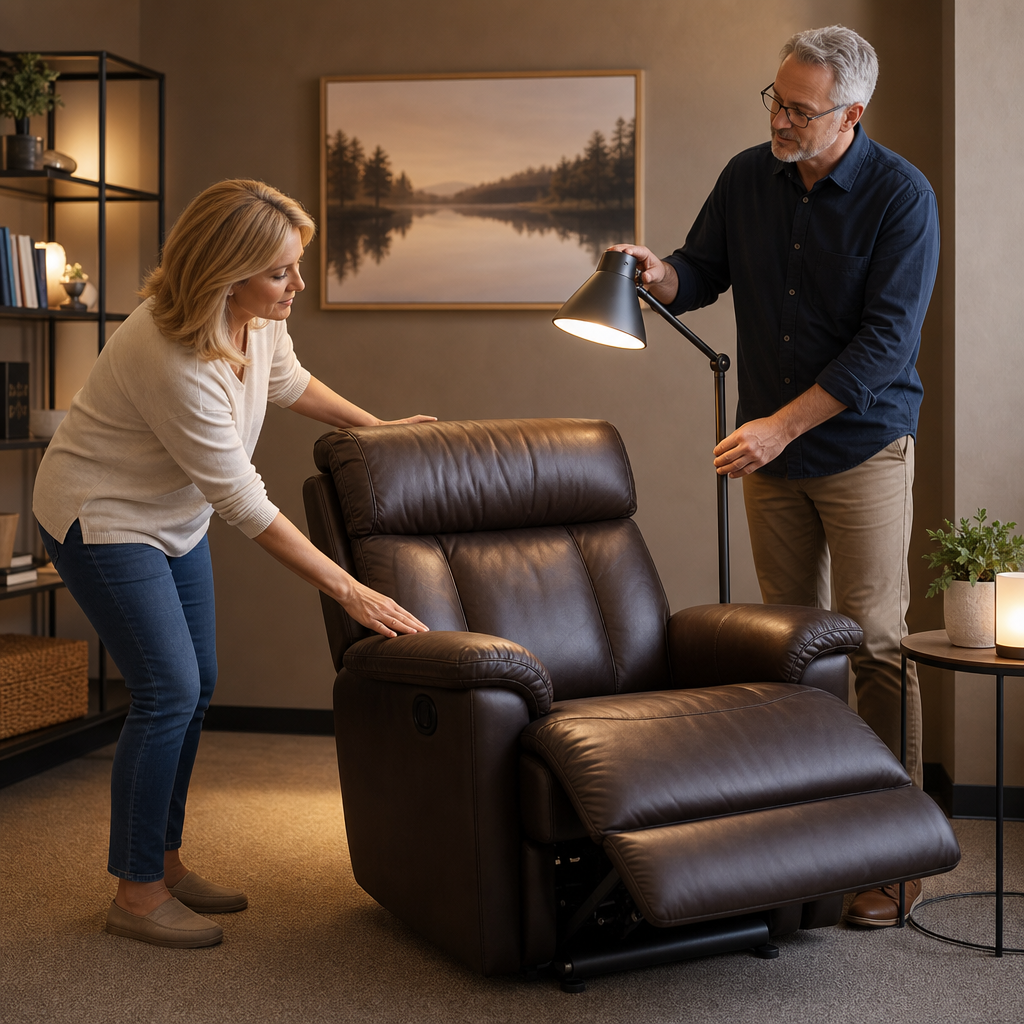
Preparation works best when it stays plain and specific. A note such as, "I vape most often on the drive home and want another way to handle that transition," gives the first conversation far more direction than "I want better habits." If this topic overlaps with stress, habits, or appointment fit, the Everleigh Hypnosis services page can help frame the next conversation.
The same idea applies across the Dayton area. Your daily routine in Centerville may look different from someone else's in Beavercreek or Kettering, so describe the schedule, setting, and trigger that belong to your own pattern.
What Good Preparation Is Not
- It's not memorizing a script.
- It's not proving you're ready enough.
- It's not pretending the pattern is simple if it's not.
- It's not hiding medical, medication, trauma, or mental health details.
- It's not deciding in advance that hypnosis must be the right answer.
For Dayton-area readers, preparation often comes down to ordinary life details: the commute where cravings show up, the evening routine that affects sleep, the work conversation that triggers tension, or the kitchen pattern that follows a stressful day. Before you schedule, ask what hypnosis can reasonably support, what it cannot promise, and what preparation would make the first visit useful.
Everleigh Hypnosis should be able to explain the process, privacy, follow-up, and boundaries in plain language. Clear answers should leave you more prepared, not pressured to move faster than you are comfortable with.
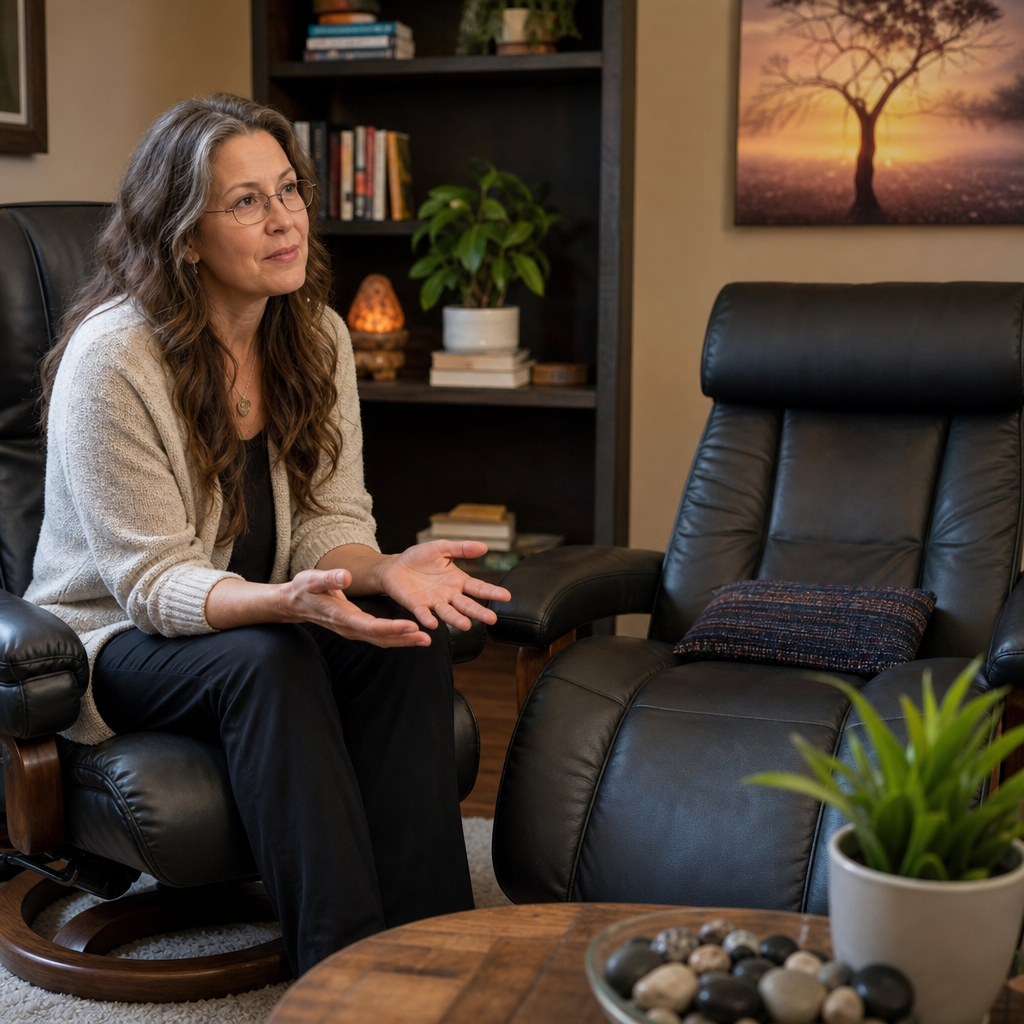
What should I ask about preparation? Before scheduling, ask what to bring, how to choose a goal, how to handle distraction, and whether any medical or mental health concern should be discussed with another professional first. The right answer should make preparation feel clear instead of overwhelming.
What to Bring Into the First Conversation
Preparation does not need to be complicated. The most useful step is to come in with a clear description of the pattern you want to discuss. That could be smoking, vaping, stress habits, sleep, confidence, weight-related habits, or preparation for a specific situation. Around Dayton, a practical preparation list includes when the concern usually happens, what seems to trigger it, what you have already tried, what would count as a useful next step, and whether any medical or mental health concerns should be mentioned.
Whether you are coming from Centerville, Beavercreek, Kettering, Oakwood, Bellbrook, Miamisburg, Huber Heights, Vandalia, Englewood, or elsewhere nearby, practical preparation is the same: notice the pattern in its real setting and bring the questions that matter to you.
What Not to Overthink. Preparation shouldn't feel like homework. You don't need perfect wording, and you don't need to know exactly how hypnosis works before asking questions. You simply need enough detail to explain what you want help with and what you want to understand before moving forward.
Good preparation should reduce uncertainty. You should feel informed, not pressured, and you should know the next step: bring practical details, ask honest questions, and mention anything that may require medical or licensed mental health guidance.
A simple way to arrive prepared is to know the pattern you want to discuss, the questions you want answered, and any health or safety context the provider should understand. That is enough to begin a useful conversation with Everleigh Hypnosis.
How do I know whether this fits my Dayton-area needs?
Questions Dayton Clients Ask
Do I need to be relaxed before hypnotherapy?
No. It is fine to arrive with nerves, questions, or skepticism. It is more useful to be honest about what you are feeling so the process can be explained clearly.
What should I write down before the appointment?
Write one sentence about the concern, two or three real examples of when it happens, what you have already tried, and the questions you want answered before moving forward.
How should I prepare for virtual hypnosis?
Choose a private, quiet place, test your device and connection, silence notifications, sit comfortably, and keep water nearby. The goal is fewer interruptions, not perfection.