
If you are in Columbus or somewhere nearby in Central Ohio and wondering whether hypnosis can help you quit smoking, you are asking a refreshingly direct question. You probably do not need another directory page, another vague promise, or another lecture about how smoking is bad for you. You already know. That is why you are here.
You want to know whether hypnosis can actually help a real person put down cigarettes, stop reaching for the vape, or finally break the ritual that has followed every cup of coffee, work break, commute, patio conversation, or stressful Tuesday since forever. Let us answer that clearly.
Direct answer
Yes, a person can use hypnosis as part of a plan to quit smoking. Hypnosis may help by working with the automatic patterns behind smoking: cravings, routines, stress reactions, identity, and the mental link between cigarettes and relief. It is not magic, it is not mind control, and it should not be promised as a guaranteed cure.
For Columbus-area clients, remote hypnotherapy can be especially useful because you can do the work from home, privately, without driving across I-71, 315, 270, or trying to find parking when you are already cranky enough from nicotine math. A quiet room, a comfortable chair, and a reliable connection can be enough to begin.
Hypnosis may fit well alongside other smoking cessation supports, including medical guidance, nicotine replacement therapy, prescription options when appropriate, coaching, support groups, and practical behavior changes. If you smoke heavily, have medical concerns, are pregnant, or have a history of significant anxiety, depression, trauma, or substance use issues, talk with a qualified healthcare professional before making major changes.
!Remote hypnotherapy session setup for smoking cessation in Columbus, Ohio
Why this question is different from “does hypnosis work?”
The better question is not simply, “Does hypnosis work?” The better question is, “What part of my smoking pattern am I trying to change, and is hypnosis a reasonable tool for that?” Smoking is rarely one single behavior. It can be a bundle of smaller habits stitched together over time:
- The first cigarette in the morning
- The drive-home cigarette
- The “I need five minutes away from people” cigarette
- The coffee pairing
- The after-meal ritual
- The social cigarette
- The stress cigarette
- The boredom cigarette
- The “I already messed up today, so why bother?” cigarette
Nicotine dependence has a physical component. That part matters. But many people also smoke because the behavior has become mentally rehearsed thousands of times. The hand motion, the breath, the timing, the excuse to step outside, the feeling of a pause, the tiny moment of control when life feels loud. Hypnosis is often used to work with that learned, automatic side of the pattern. For service-specific context, review stop-smoking hypnotherapy in Columbus before deciding what questions to bring into a consultation.
This is why a person may consciously want to quit and still find themselves smoking before they have fully decided to smoke. The conscious mind says, “I am done.” The habit system says, “Cute speech. We are doing the 3:15 p.m. thing.” Hypnotherapy aims to help those parts of the mind get on the same page.
What hypnosis for quitting smoking is actually like
A smoking-focused hypnotherapy session is usually much more ordinary than people imagine. No swinging watch. No theatrical commands. No clucking like a chicken unless your uncle does that at family cookouts already, in which case hypnosis is not the issue.
In a typical session, the hypnotherapist may help you enter a focused, relaxed state. You remain aware. You can hear what is being said. You are not unconscious. Many people describe it as being absorbed, calm, and inwardly focused, similar to the way you can become completely caught up in a movie, a good book, or a long drive where your mind is alert but settled.

From there, the work may include:
- Clarifying why you want to quit now
- Identifying your strongest smoking triggers
- Mentally rehearsing high-risk situations
- Reframing cigarettes as something you are finished with, not something you are being deprived of
- Strengthening your confidence in uncomfortable moments
- Practicing a replacement response for stress, boredom, or social pressure
- Building a future image of yourself as a non-smoker
The goal is not to force you. The goal is to help your mind practice becoming the person who no longer needs the cigarette in that familiar moment.
Why remote hypnotherapy can be a smart Columbus option
Columbus is a great city, but it is not always a relaxing city to cross at 5:15 p.m. If you live in Dublin, Westerville, Grove City, Hilliard, Worthington, Gahanna, Reynoldsburg, Upper Arlington, New Albany, Pickerington, or anywhere around Central Ohio, a session that does not require travel can make the first step much easier.
Remote hypnotherapy can be useful for smoking cessation because it gives you:
- Privacy in your own space
- Less time lost to traffic
- Fewer excuses to postpone the appointment
- A calmer transition before and after the session
- The ability to practice new responses in the same environment where cravings may happen
That last point is important. If your smoking pattern is tied to your porch, your garage, your home office, your kitchen after dinner, or your favorite chair during late-night scrolling, doing the work from home can help connect the change to the real setting where you need it. With Columbus Hypnotherapy, the next step is designed to be simple: start with a free evaluation, talk through what is going on, and decide whether hypnotherapy is a good fit.
What the research says, in plain English
Research on hypnosis for smoking cessation is mixed. That does not mean hypnosis is useless, and it does not mean it is a guaranteed answer. It means the evidence is not as simple as a billboard would like it to be.
The National Center for Complementary and Integrative Health describes hypnosis as a state of focused attention and increased responsiveness to suggestion, and it notes that hypnosis has been studied for several conditions and behavior changes. Cochrane, which reviews medical research, has examined hypnotherapy for smoking cessation and has reported that the evidence has not clearly proven hypnosis to be more effective than other interventions. So where does that leave a normal person who wants to quit?
It leaves you with a practical view: hypnosis may help some people, especially when it is used as part of a thoughtful quit plan. It may be particularly helpful for people who recognize that smoking is not only about nicotine, but also about stress, routine, self-image, and automatic behavior.
The CDC emphasizes that quitting smoking often takes support and planning. Many people use more than one strategy. That is not failure. That is being realistic. If one tool helped everyone instantly, nobody would be searching for this question at midnight with a half-empty pack on the counter.
Who may be a good fit for hypnosis to quit smoking?
Hypnosis may be worth considering if you:
- Have tried to quit before and keep returning to the same triggers
- Smoke during stress, boredom, driving, drinking, or after meals
- Feel mentally ready but stuck in automatic behavior
- Want a private, nonjudgmental place to work on the habit
- Prefer a calm, focused process rather than a confrontational one
- Like the idea of remote sessions from home
- Are willing to practice new responses between sessions
It may be less appropriate as a stand-alone approach if you are dealing with heavy nicotine dependence, complex medical issues, unmanaged mental health symptoms, or other substance use concerns. In those cases, hypnotherapy may still be part of your support system, but it should be coordinated with medical or mental health care. A good hypnotherapy conversation should not shame you. Most smokers have already shamed themselves plenty. Shame is a terrible quit plan. It has the motivational value of a wet paper towel.
A better approach is curiosity: When do you smoke? What do you get from it? What do you fear losing if you stop? What would become easier if smoking were no longer part of your day?
What hypnosis cannot honestly promise
Let us be clear about the lines. Hypnosis cannot ethically promise that you will quit forever after one session. It cannot guarantee that you will never crave nicotine again. It cannot erase withdrawal symptoms. It cannot replace medical advice, medications, nicotine replacement products, or counseling when those are needed.

It also cannot make you do something against your will. If part of you genuinely does not want to quit, that matters. Hypnosis works best when there is at least some real readiness, even if you also feel nervous, skeptical, or annoyed that quitting has become such a project. What hypnosis can do is help you work with your attention, imagination, emotional associations, and automatic patterns. For many people, those are exactly the places where smoking keeps winning.
How to prepare for a smoking hypnosis session
If this topic overlaps with stress, habits, or appointment fit, the Columbus Hypnotherapy services page can help frame the next conversation. You do not need to be perfectly ready. You do not need to arrive with a heroic speech. But it helps to think through a few things before your evaluation or first session.
Ask yourself:
- When do I most often smoke?
- Which cigarette would be hardest to give up?
- What have I already tried?
- What worked even a little?
- What usually pulls me back?
- Why do I want to quit now, not someday?
- What would I like my life to feel like without smoking?
If you use nicotine replacement, medications, or other cessation tools, mention that. If you are under medical care, mention that too. Hypnotherapy does not need to compete with other supports. In many cases, the smarter plan is to combine tools.
For remote sessions, choose a quiet place where you can sit comfortably and will not be interrupted. Use headphones if possible. Let the dog out first, unless your dog is also trying to quit smoking, in which case please call a veterinarian and possibly a documentary crew.
!Columbus-area client preparing for a private online hypnotherapy appointment
What a practical quit plan can include
A strong smoking cessation plan may include several layers. Hypnosis can be one of them. Consider combining:
- A quit date or gradual reduction plan
- Medical guidance if appropriate
- Nicotine replacement therapy or prescription support if recommended by a clinician
- Hypnotherapy for triggers, motivation, and identity change
- Replacement rituals for breaks, stress, and driving
- Removing cigarettes, lighters, ashtrays, and visual cues
- Support from one or two trustworthy people
- A plan for slips that does not turn one cigarette into a full return
That final piece matters. A slip is information, not a personality verdict. If you smoke after a stressful day, the question is not, “What is wrong with me?” The question is, “What did this moment need that my plan did not yet cover?” That is the kind of practical thinking that helps people continue instead of collapse into all-or-nothing mode.
Why the local search results can feel unsatisfying
If you search for smoking hypnosis near Columbus, you will likely see a mix of directory listings, broad hypnosis pages, reviews, and local providers around Columbus, Dublin, and nearby suburbs. Those pages can be useful if you are comparing options, but they often do not answer the actual question clearly.
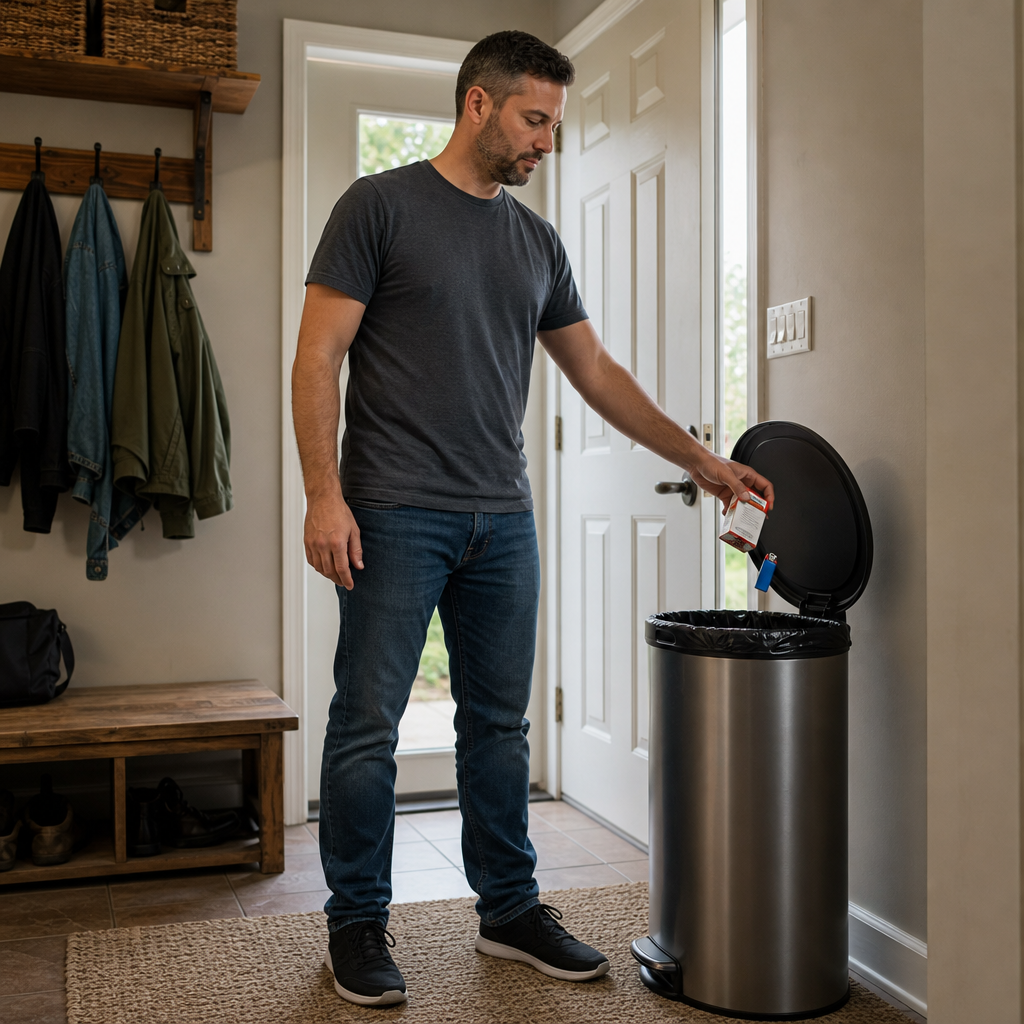
A Columbus-area reader usually wants to know:
- Can hypnosis help with smoking specifically?
- Is it available remotely?
- What happens in a session?
- Is it backed by any evidence?
- What should I do if I have tried everything already?
- How do I take the next step without being pressured?
You don't need hype or mystery. You need a grounded answer and a next step that feels clear.
Quick readiness check
You may be ready to explore hypnotherapy for quitting smoking if most of these are true:
- You are tired of planning your day around smoking or vaping
- You can name at least one strong personal reason to quit
- You are open to changing routines, not just wishing cravings away
- You understand hypnosis is a tool, not a guarantee
- You are willing to be honest about your triggers
- You would appreciate a private, remote option from home
- You want help getting your mind and habits working in the same direction
If that sounds like you, a free evaluation is a reasonable next move.
Can hypnosis make me quit smoking in one session?
Some people report a strong shift after one session, but it is not realistic or ethical to promise that hypnosis will make every person quit smoking in one visit. Smoking is often tied to habit loops, stress, identity, environment, and nicotine dependence. A practical plan may include hypnotherapy, medical support, nicotine replacement or other clinician-recommended tools, and follow-up practice.
Is remote hypnosis for smoking cessation effective? Remote hypnosis can be a strong option for many people because hypnosis is guided through focused attention, relaxation, imagery, and suggestion. Being at home may help clients feel comfortable and private, and it removes the need to drive across Columbus traffic. A quiet space, headphones, and a reliable internet connection are usually enough for a productive session.
Should I talk to my doctor before using hypnosis to quit smoking? Yes, especially if you have a medical condition, use nicotine heavily, take medications, are pregnant, or have concerns about withdrawal, anxiety, depression, or other health factors. Hypnosis can be part of a broader quit plan, but it should not replace medical care or evidence-based cessation support recommended by a qualified healthcare professional.
What does hypnosis for quitting smoking usually focus on? Hypnosis for smoking cessation often focuses on interrupting automatic smoking routines, changing the emotional association with cigarettes, strengthening motivation, rehearsing high-risk moments, and building replacement responses. It is less about control and more about helping the mind respond differently when old triggers show up.
Sources and further reading
- Columbus Hypnotherapy
- National Center for Complementary and Integrative Health: Hypnosis
- Cochrane: Does hypnotherapy help people who are trying to stop smoking?
- CDC: How to Quit Smoking
- Psychology Today: Hypnotherapy in Columbus, OH
- Yelp: Hypnosis/Hypnotherapy Near Columbus, Ohio
Ready to talk it through. If you are in Columbus, Ohio or the surrounding Central Ohio area and you are wondering whether hypnosis belongs in your quit-smoking plan, start with a conversation. You do not have to know exactly how you will quit before you ask for help. That is the point of asking.
Columbus Hypnotherapy - Call 380-233-8070 to schedule a free evaluation, or visit www.columbushypnotherapy.com and complete the brief callback form.
Questions Columbus Clients Ask
Can hypnosis make me quit smoking in one session?
Some people report a strong shift after one session, but it is not realistic or ethical to promise that hypnosis will make every person quit smoking in one visit. Smoking is often tied to habit loops, stress, identity, environment, and nicotine dependence, so a practical plan may include hypnotherapy, medical support, nicotine replacement or other clinician-recommended tools, and follow-up practice.
Is remote hypnosis for smoking cessation effective?
Remote hypnosis can be a strong option for many people because hypnosis is guided through focused attention, relaxation, imagery, and suggestion. Being at home may help clients feel comfortable and private, and it removes the need to drive across Columbus traffic. A quiet space, headphones, and a reliable internet connection are usually enough for a productive session.
Should I talk to my doctor before using hypnosis to quit smoking?
Yes, especially if you have a medical condition, use nicotine heavily, take medications, are pregnant, or have concerns about withdrawal, anxiety, depression, or other health factors. Hypnosis can be part of a broader quit plan, but it should not replace medical care or evidence-based cessation support recommended by a qualified healthcare professional.
What does hypnosis for quitting smoking usually focus on?
Hypnosis for smoking cessation often focuses on interrupting automatic smoking routines, changing the emotional association with cigarettes, strengthening motivation, rehearsing high-risk moments, and building replacement responses. It is less about control and more about helping the mind respond differently when old triggers show up.